Responsible PPE programs

Jackson Safety helps teams reduce waste without weakening protection decisions.

Responsible PPE planning starts with fit-for-purpose selection. When a product is mismatched, the result is waste, confusion, and sometimes risky substitution. Jackson Safety sustainability support focuses on durable category choices, replacement-part clarity, packaging conversations, and reorder habits that help teams use PPE intentionally. The goal is practical improvement: fewer unnecessary alternates, better issue control, clearer care instructions, and more informed end-of-life planning where local rules allow.
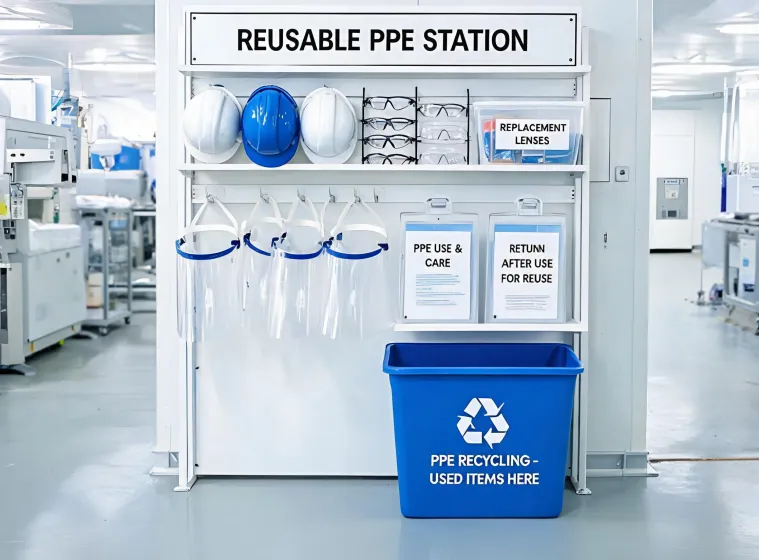
Responsible PPE program table
"The lowest-waste PPE program is the one workers understand, supervisors can maintain, and buyers can reorder without guesswork."

A responsible program is not only a materials question. It is a behavior and documentation question. If a worker receives the wrong lens tint, the item may be replaced early. If replacement lenses are hard to source, a reusable shield can become disposable in practice. If a distributor branch cannot identify the approved alternate, a site may overstock products that never fit the actual hazard. Jackson Safety's reliable partner approach treats these small operational details as part of the environmental story.

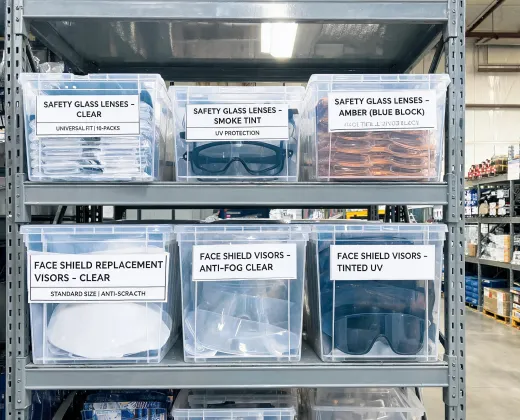
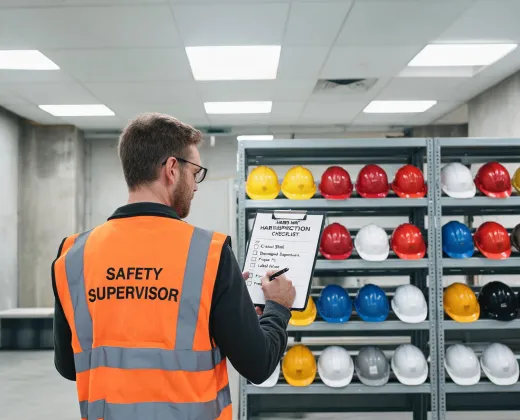
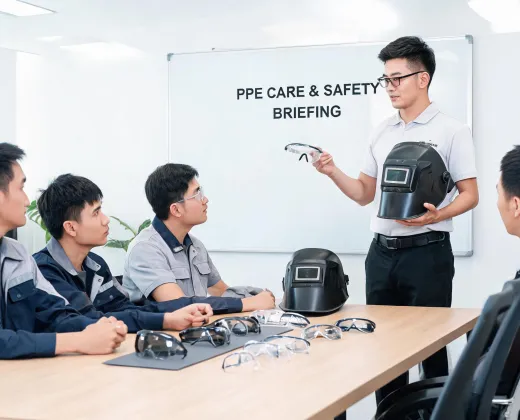
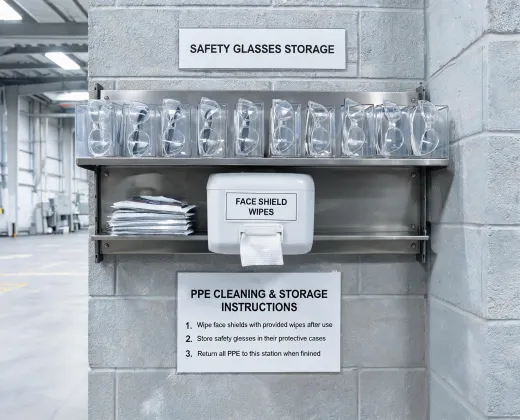
For head protection, program owners can plan suspension replacement reviews, shell inspection reminders, and storage practices. For eye and face protection, the discussion may include anti-fog maintenance, lens replacement, case storage, and when disposable eyewear is appropriate. For welding PPE, teams can review cover plate replacement and helmet care before the first purchase order. None of these steps replaces a workplace risk assessment, but each one can reduce avoidable waste while keeping the safety conversation intact.

Responsible program tips

Simple controls that make PPE programs easier to maintain.

Some environments justify disposable protection. Others can use reusable frames, shields, or helmets with planned replacement parts. Naming the use case prevents false economy and reduces unnecessary item switching.

When lenses, suspensions, and cover plates are easy to find, teams are less likely to discard the entire product too early. A distributor issue list should name these support items.

Storage, cleaning, and inspection practices should be introduced with the product, not months later. Clear habits protect workers and extend practical service life.
Plan a responsible PPE list

Ask for support that balances protection, maintenance, and waste reduction.

Share the product category, work area, and any replacement-part pain points. Jackson Safety can help frame the discussion so responsible purchasing stays connected to the hazard review.

Request planning help